
Associate professor · Researcher · Inventor · Entrepreneur
Joshua E. Siegel
I build technologies that do more with less, then work to move them out of the lab and into use.

Research that works in the wild
I am an Associate Professor of Computer Science and Engineering at Michigan State University, with a courtesy appointment in Electrical and Computer Engineering. My work sits where mechanical systems, sensing, artificial intelligence, and real-world use meet.
I direct the DeepTech Lab. We build systems that listen to machines, learn from limited data, support decisions, and close loops automatically or with human oversight.
Selected recognition
Awards for research, teaching, and invention
IEEE MASS Best Paper Award
IEEE Sensors Best Paper
Lemelson-MIT National Collegiate Student Prize
Impossible yesterday. Boring tomorrow.
Deep technology is most valuable when the hard part disappears into something dependable, affordable, and ordinary. I work across research, teaching, invention, and entrepreneurship to help that happen.
Research
Acoustic diagnostics, connected vehicles, robotics, sensing, artificial intelligence, cybersecurity, and decision support.
Teaching
University courses, research experiences, and professional programs for engineers, entrepreneurs, executives, and technical leaders.
Translation
Patents, datasets, standards, startups, sponsored research, and independent advisory work that move ideas toward practice.
DeepTech Lab
Students and researchers building on real machines
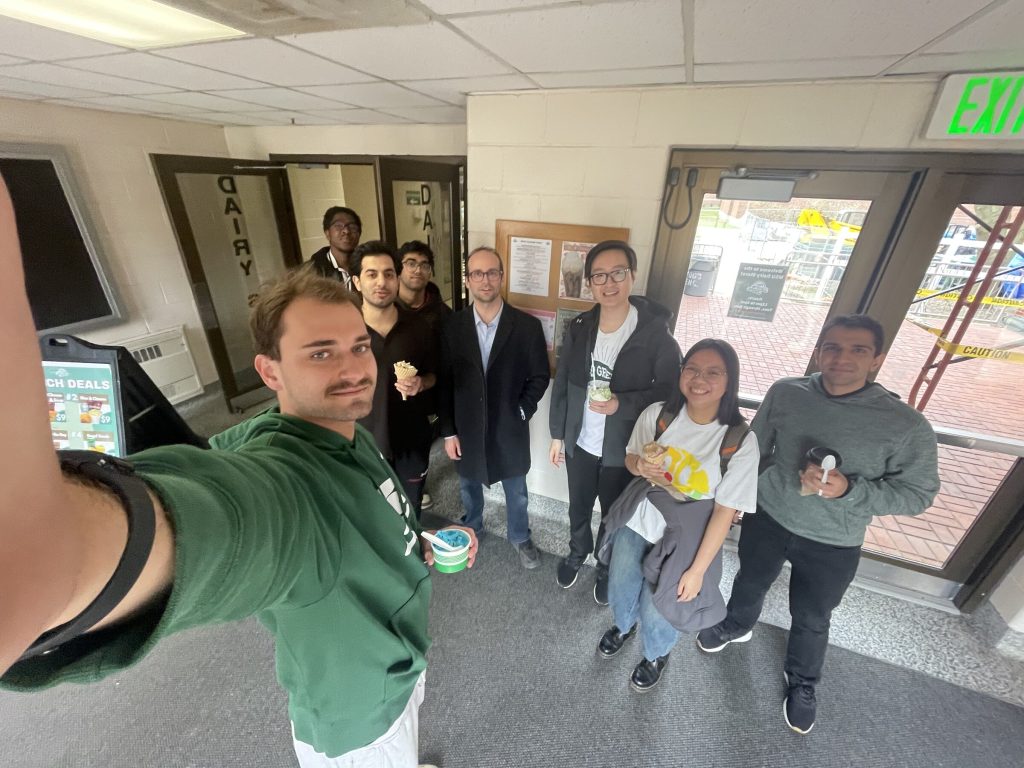
Current work brings together postdoctoral, doctoral, and undergraduate researchers across four connected areas.
Acoustic diagnostics
What if a cheap microphone could hear a machine going bad?
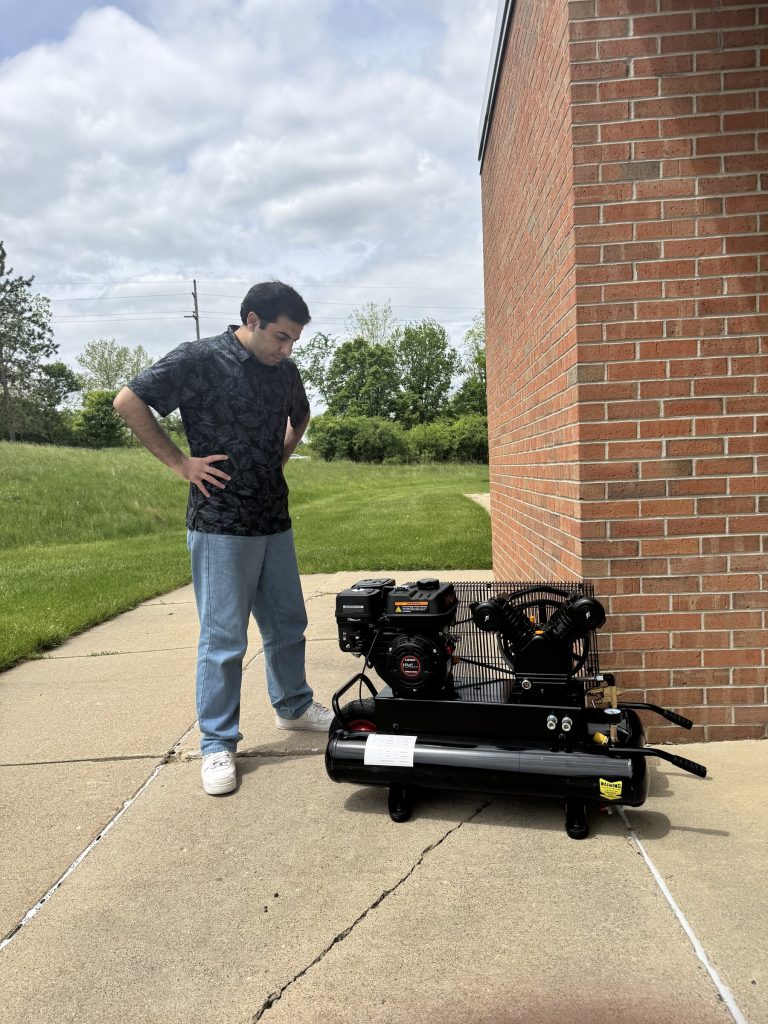
We build models that learn from fewer, shorter samples and lower-diversity data. That means you do not need to capture as many costly failures to build something that works.
Embedded expertise
Decision support that turns observations into recommendations, warnings, and actions.
Robotics and automation
Sensing, models, and control tested on real equipment.
Connected vehicles
Using the signals vehicles already produce to understand condition, context, safety, and interaction.
New in 2026
Acoustic monitoring that travels better
New work addresses two practical weaknesses in machine listening: performance that changes with the recording device, and quality scores that hide their uncertainty. A new open dataset adds multiple tools, sessions, locations, and commodity microphones so researchers can test those problems directly.
Want to talk?
Students, researchers, companies, donors, and reporters are all welcome. Tell me what brought you here.